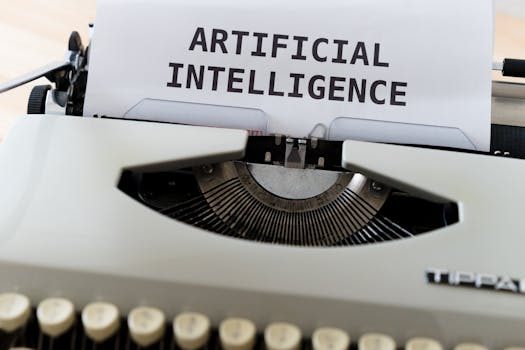
The integration of Artificial Intelligence (AI) into text writing is a groundbreaking development, reshaping not only content production processes but also the interplay of human creativity with technology. As AI tools become more advanced, they offer exciting possibilities for enhancing the efficiency and diversity of text creation. However, the essential element of human creativity remains irreplaceable, ensuring that content not only reaches but also resonates with audiences on a deeper, more personal level.
AI's Role in Modern Text Writing
AI's capabilities in the realm of text writing are expanding rapidly. Today's AI can generate complete pieces of content, from analytical reports to creative poetry, by learning from extensive data sets and mimicking various writing styles. This technology is incredibly efficient, capable of producing drafts at speeds no human can match, which is particularly useful for time-sensitive content such as news articles or immediate event summaries.
.png)
Furthermore, AI tools in writing assist in overcoming language barriers and simplifying complex writing tasks. For instance, translation apps and grammar correction tools powered by AI help writers craft their content with better accuracy and reach a broader audience.
The Indispensable Human Touch
Despite AI's impressive capabilities, human input remains crucial, especially in tasks requiring emotional depth, cultural sensitivity, and creative storytelling. Human writers bring abstract thinking and empathy to their work, qualities that AI has yet to fully replicate. They can interpret and portray subtle emotions and sociocultural nuances that resonate with human experiences, lending authenticity and warmth to the written word.
Moreover, human oversight is necessary to guide AI-generated content, ensuring it aligns with ethical standards and maintains a genuine connection with readers. Editors play a critical role in refining AI outputs, enhancing the content's appeal, and tailoring it to suit specific audiences or purposes.
Synergistic Collaboration
The optimal approach to leveraging AI in text writing involves a synergistic partnership between AI tools and human creativity. This collaboration enhances productivity and creative output, allowing writers to focus more on the core creative aspects of their work. AI can handle preliminary data gathering and initial draft preparation, while human expertise finetunes this content, enhancing its narrative quality and emotional depth.
An example of this collaboration is in content marketing, where AI-generated data insights can inform human-driven strategy adjustments, content personalization, and customer engagement tactics, leading to more effective campaigns.
Future Directions and Ethical Considerations
As AI technology advances, the potential for even more sophisticated applications in text writing grows. However, this progress brings with it ethical challenges that need addressing, such as concerns over authorship and originality. Ensuring that AI supports human creativity without replacing it will be crucial in maintaining the value of individual artistic expression in literature and journalism.
Moreover, there is an imperative to mitigate AI biases by training these systems on diverse, unbiased datasets. This is essential to prevent perpetuating existing societal biases in AI-generated content, ensuring fairness and inclusivity in automated text outputs.
Conclusion
The future of text writing, influenced by the synergy between AI and human creativity, promises enhanced accessibility, efficiency, and diversity in content creation. While AI introduces significant capabilities, the unique contributions of human creativity are what elevate text to its highest form, ensuring it not only informs but also moves and connects with people. By carefully balancing the strengths of both AI and human input, the field of text writing can evolve in a manner that respects both technological advancements and the timeless value of human touch.