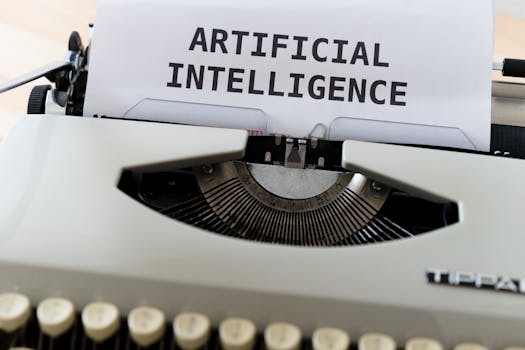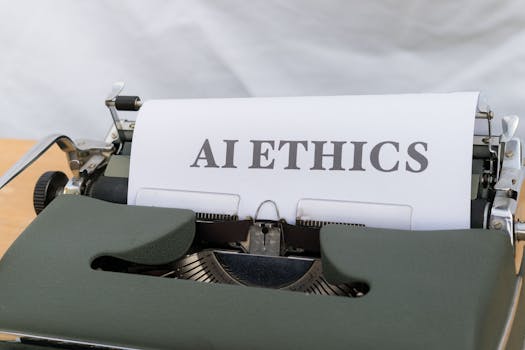
The integration of artificial intelligence (AI) in text writing is transforming the landscape of content creation, offering both exciting possibilities and notable challenges. AI-driven tools, known as AI writers or text generators, leverage complex algorithms and machine learning models to produce text that is coherent and contextually relevant. These tools are trained on extensive datasets, enabling them to generate content swiftly and effectively.
Efficiency stands out as one of the foremost benefits of using AI in text writing. AI writers can produce large volumes of content rapidly, which proves invaluable for businesses needing to sustain dynamic online presences. For example, AI can efficiently handle routine content such as blog posts, updates, and reports, freeing human writers to focus on more intricate and imaginative tasks.
AI can also be a valuable ally against writer's block by offering suggestions for ideas, phrases, or entire paragraphs. This support is particularly beneficial for content creators striving to consistently deliver innovative and engaging material. Additionally, AI tools help ensure grammatical accuracy and stylistic appropriateness, thereby enhancing the quality of the text.
.png)
Despite these advantages, the integration of AI in text writing introduces several challenges. A significant concern is the potential loss of the human touch. AI-generated text might lack the emotional depth and nuanced understanding that human writers imbue in their work, which is critical in genres like poetry or narrative fiction that heavily rely on emotional resonance.
There is also a risk of producing generic or repetitive content. Although AI can generate text based on learned patterns, it may struggle with originality, leading to content that might not engage readers as effectively as fresh, human-generated material.
Ethical issues also emerge in the discussion of AI and text writing. Transparency in the use of AI-generated content is essential to maintaining reader trust. Furthermore, as AI tools become more advanced and widespread, there is a growing concern about job displacement among professional writers and journalists.
Despite these challenges, the potential for AI in text writing is substantial. Ongoing advancements in AI technology suggest that future tools may handle a broader range of writing tasks with increased sensitivity and creativity. Currently, a collaborative approach, where AI supports rather than replaces human writers, seems most prudent.
In conclusion, while AI and text writing complement each other well in areas like efficiency, accuracy, and support against writer's block, it is critical to navigate the accompanying challenges and ethical considerations carefully. By addressing these issues, we can utilize AI to augment the writing process while preserving the invaluable contributions of human creativity and insight. The evolving synergy between human writers and AI promises to redefine the domain of written content, presenting an exciting area for future developments.