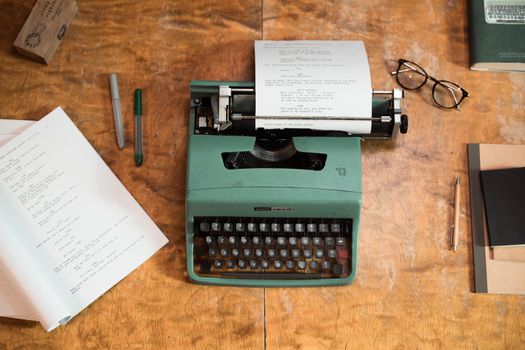
Writing historical novels is a unique balancing act: you must weave an engaging story while faithfully recreating the realities of a bygone era. Readers expect to be transported through time, and they trust the author to guide them through unfamiliar customs, beliefs, and daily life. But how do you avoid the common pitfalls of anachronisms, stereotypes, or overwhelming your story with research? In this article, we’ll explore actionable tips for handling period realities in historical fiction—going beyond standard advice to help you craft novels that are both authentic and compelling.
Understanding Historical Context: Beyond Dates and Events
Many writers focus on the “big” historical moments—wars, coronations, or revolutions. However, the magic of historical fiction often lies in the subtle details of everyday life. According to a 2022 survey by the Historical Novel Society, 63% of readers listed “immersive atmosphere” as a top reason for choosing historical novels. That means authors must understand not just what happened, but why people acted the way they did.
To build a believable world, start by researching the social, political, and economic forces shaping your chosen period. For example, Victorian England was marked by strict class divisions, rapid industrialization, and evolving gender roles. These factors influenced everything from daily routines to personal aspirations.
.png)
Here are practical ways to dig deeper into historical context:
- Examine primary sources like diaries, letters, or newspapers from the era. - Read academic works about the social structure, religious beliefs, and prevailing worldviews. - Look at census data and maps to understand demographics and city layouts. - Watch documentaries or visit living history museums for visual inspiration.Remember, context is more than backdrop—it’s the engine driving your characters’ choices and conflicts.
Recreating Daily Life: The Power of Specific Details
Nothing pulls readers into the past like vivid, accurate descriptions of daily life. This is where your research pays off in authenticity. Did you know that in 18th-century Paris, the average citizen bathed only a few times a year, and public fountains supplied drinking water? Or that in medieval Japan, samurai were required by law to carry two swords in public?
The small, sensory details count. Food, clothing, transportation, and even smells can set the tone for your narrative. Consider these elements:
- Meals: What did your characters eat, and how was it prepared? For instance, potatoes didn’t arrive in Ireland until the late 16th century. - Clothing: Fabrics, tailoring, and colors often signaled social status. - Technology: Was the printing press common? Were streetlights gas or oil? - Social Etiquette: What gestures, greetings, or taboos shaped daily interactions?A strong example is Hilary Mantel’s “Wolf Hall,” which brings Tudor England to life with references to the texture of woolen garments, the flavor of spiced wine, and the weight of political intrigue.
Avoid information dumps—work details naturally into the story, letting your characters interact with their world.
Dialogue and Mindset: Thinking Like People of the Past
One of the trickiest challenges in historical fiction is writing dialogue and interior thoughts that feel true to the period, yet remain accessible to modern readers. Overly formal or archaic speech can alienate, while modern slang breaks immersion.
To strike the right balance:
- Study period letters, plays, and literature to get a sense of vocabulary and syntax. - Use idioms and expressions appropriate to the time, but in moderation. - Let characters’ beliefs and assumptions reflect their era—even if those values clash with today’s.For example, a woman in 1920s America might be excited about new freedoms, but still constrained by societal expectations. A Roman senator would likely reference the gods or omens in conversation. These nuances create truly believable characters.
Here is a comparison of historical versus modern dialogue:
| Context | Modern Dialogue | Period-Appropriate Dialogue |
|---|---|---|
| Victorian England | "I'm busy right now, can we talk later?" | "I must beg your pardon, but I am presently engaged. Might we converse at a later hour?" |
| Ancient Rome | "That’s a bad omen." | "The augury is ill-favored; we should proceed with caution." |
| 1920s New York | "She’s really cool." | "She’s the bee’s knees." |
Your aim isn’t to write museum-quality prose, but to evoke the flavor of the period while keeping the reading experience smooth.
Handling Sensitive Topics: Ethics and Representation
Historical novels often touch on issues—such as slavery, gender inequality, colonialism, or racism—that remain painful and complex. Mishandling these realities risks alienating readers or perpetuating harmful myths.
To approach sensitive topics responsibly:
- Be honest about the realities of the era, but avoid gratuitous detail or sensationalism. - Consult a range of sources, especially those representing marginalized voices from the time. - Consider sensitivity readers or expert consultants if your story involves cultures or experiences outside your own.For example, Colson Whitehead’s “The Underground Railroad” drew on slave narratives and historical documents to present an unflinching yet deeply human portrayal of its characters. By grounding the story in real experiences, Whitehead honored the truth of the period.
Remember, your responsibility is to represent the past accurately, not to sanitize or excuse it. This approach not only builds trust with readers, but also enriches your narrative with real emotional depth.
Blending Research with Storytelling: Avoiding the Info Dump
Research is the backbone of historical fiction, but too much can weigh down your novel. The challenge is to integrate period realities seamlessly, letting story and character take the lead.
Tips for blending research naturally:
- Use “show, don’t tell.” Let readers infer customs and technologies through character action. - Focus on what your characters would notice—someone from 14th-century Florence won’t marvel at their own cobblestone streets. - Edit ruthlessly. Only include details that enhance mood, character, or plot.A 2021 study of bestselling historical novels found that those with a higher “story-to-fact” ratio (roughly 70% story, 30% historical detail) were more likely to engage readers and receive positive reviews.
Remember, your goal is to transport—not lecture—your audience.
Final Thoughts on Writing Historical Novels with Authentic Period Realities
Crafting a historical novel that resonates requires more than assembling facts. It demands empathy, curiosity, and a commitment to seeing the world through someone else’s eyes. By delving into social context, using period-appropriate detail and dialogue, handling sensitive topics with care, and blending research with storytelling, you can create work that entertains while honoring the complexities of history.
Historical fiction at its best invites readers not just to visit the past, but to understand it. With thoughtful preparation and creative courage, your novel can become a time machine—one that feels as real as the world we live in today.