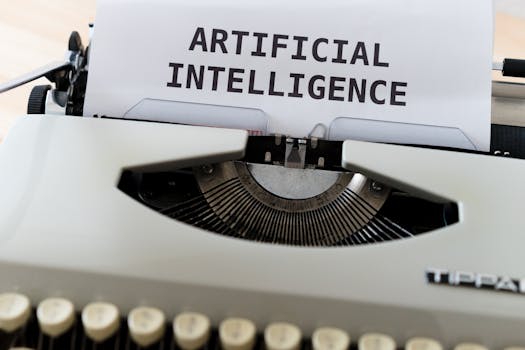
The intersection of artificial intelligence (AI) and creative writing is revolutionizing the way we approach storytelling, blending technology with traditional literary techniques. This fusion is not only enhancing the efficiency and capabilities of writers but also pushing the boundaries of what can be considered literature.
How AI is Influencing Creative Writing
AI's role in creative writing primarily involves the use of machine learning algorithms and natural language processing to generate text and assist in the creative process. These AI tools are capable of analyzing vast amounts of data, learning from existing literary works, and applying these patterns to create new content. This capability is particularly useful for generating ideas, overcoming writer's block, and refining grammar and style.
.png)
Benefits of AI in Creative Writing
- Increased Productivity: AI tools can suggest plot ideas, develop character arcs, or propose dialogue, significantly speeding up the writing process.
- Enhanced Accuracy and Research: AI can quickly process and synthesize information from various sources, ensuring that historical novels, for example, are accurate and well-informed.
- Language Refinement: AI applications can help improve the quality of writing by suggesting stylistic improvements and correcting grammatical errors.
Challenges Presented by AI in Creative Writing
- Loss of Originality: There is a concern that AI-generated content may lack the personal touch and emotional depth that human authors bring to their writing.
- Ethical Concerns: Issues such as copyright, authorship, and the ethical use of AI-generated content are becoming increasingly complex and require new guidelines and understandings.
- Dependency: There's a risk that reliance on AI tools might diminish a writer's own creative skills and intuition.
New Opportunities and Innovations
Despite these challenges, AI is also opening up novel avenues for creative expression:
- Hybrid Authorship: Combining AI capabilities with human creativity can lead to new forms of storytelling, such as interactive narratives that change based on reader input or stories tailored to individual preferences.
- Democratization of Writing: AI tools make it easier for people without formal writing training to craft stories and express ideas, broadening the scope of who can contribute to literature.
The Future of AI in Creative Writing
As AI technology continues to evolve, its integration with creative writing is likely to deepen, leading to more sophisticated tools that can better mimic human emotional depth and creativity. The future may see AI becoming a common co-author, helping to shape narratives in collaboration with human writers.
The ongoing development of AI in creative writing is a thrilling prospect that promises to redefine our understanding of storytelling. By embracing both the capabilities and challenges of AI, the literary community can look forward to a future where technology and creativity converge to create richer, more inclusive, and innovative literature.