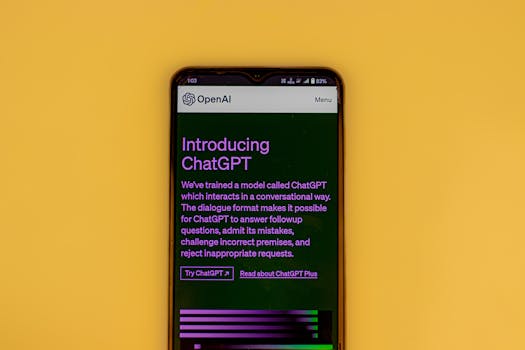
As we look to the future, the integration of Artificial Intelligence (AI) into text writing and creativity continues to evolve, pushing the boundaries of how content is crafted and consumed. AI's role in this field is multifaceted, enhancing efficiency, sparking creativity, and offering personalized content solutions, thereby transforming traditional writing practices and opening up new avenues for creative expression.
Enhancing Writing Efficiency with AI
AI technologies streamline the writing process by offering real-time editing and proofreading services, which significantly improve the accuracy and readability of texts. Tools like Grammarly and Hemingway exemplify how AI can assist in refining grammar, punctuation, and style, ensuring that writers can produce polished content more swiftly. By minimizing the time spent on editing, writers can allocate more resources towards creative thinking and content development.
.png)
Additionally, AI's capability to automate mundane tasks—such as data compilation and fact-checking—frees up writers to focus on the more creative aspects of writing. This shift not only enhances productivity but also improves the quality of the content, as writers can devote more time to research, narrative crafting, and audience engagement.
AI as a Catalyst for Creative Exploration
AI's impact on creativity is profound. Contrary to concerns about AI diminishing human creativity, it can actually enhance creative thought. AI tools are capable of suggesting novel ideas, themes, and perspectives, providing a valuable resource for writers seeking inspiration or struggling with writer's block. For instance, AI-powered applications like Sudowrite and Jasper offer creative prompts and storyline suggestions that can ignite the creative process and introduce writers to unique narrative possibilities.
Moreover, by analyzing large datasets, AI can identify emerging trends and unseen patterns, offering writers insights that can inform and inspire more innovative content. This analytical capability allows writers to produce material that is not only creative but also relevant to current societal trends and reader interests.
Personalization and Audience Engagement
AI's ability to understand and predict audience preferences is revolutionizing how content is tailored to different reader segments. By analyzing engagement metrics and demographic data, AI can guide writers on how to adjust their tone, style, and content to better connect with specific audiences. This personalized approach not only enhances reader satisfaction but also boosts engagement rates, as content that resonates more with its audience is more likely to be consumed and shared.
Navigating Ethical Considerations
Despite its benefits, the use of AI in creative processes brings forth significant ethical considerations. Issues of authenticity and originality are at the forefront, as the line between human-generated and AI-assisted content blurs. It is vital for the creative community to establish guidelines that preserve the integrity and authenticity of AI-generated content while encouraging innovation.
Furthermore, the risk of over-reliance on AI tools can lead to a diminishment of human involvement in the creative process. It's essential for writers to strike a balance, using AI as an aid to enhance their abilities rather than as a substitute for human creativity.
The Future of AI in Creative Writing
As AI technology continues to advance, its integration into creative writing and text production is expected to deepen. Future developments in natural language processing and machine learning will likely enable AI to handle increasingly complex writing tasks, potentially creating new literary genres and innovative content forms.
In embracing AI, writers and content creators should not lose sight of the human touch that is fundamental to creative expression. By leveraging AI as a tool to augment human creativity, rather than replace it, the field of writing can achieve a harmonious balance between technological advancement and artistic integrity.
In conclusion, AI's role in enhancing text writing and creativity is transformative, offering tools that streamline writing processes, foster creative growth, and enable personalized content. As this technology evolves, the potential for creating engaging, innovative, and resonant content is boundless, provided ethical considerations are carefully managed.