The rapid evolution of artificial intelligence (AI) has ushered in a new era for creative professionals, marketers, and businesses alike. No longer a futuristic fantasy or a luxury for tech giants, AI-powered tools are now accessible to anyone looking to streamline content creation, enhance creativity, and gain a competitive edge. Today, from automated brainstorming to sophisticated editing and multi-language translation, AI is redefining the very tools of the trade in content creation. But how exactly are these AI tools transforming workflows, what can they really do, and what does the future hold for those who use them? In this comprehensive guide, we’ll explore the landscape, examine popular tools, and look at the tangible impact of AI in the content space.
The Evolution of Content Creation: From Manual to Machine Intelligence
For decades, content creation was a deeply manual process. Writers, editors, designers, and marketers spent hours brainstorming, drafting, revising, and publishing. The digital revolution in the 1990s and 2000s brought new platforms and tools—think word processors, graphic design software, and content management systems. But the fundamental process remained largely human-driven.
Fast-forward to the present, and AI has begun to automate and augment nearly every step in the content workflow. In 2023 alone, it was estimated that over 35% of businesses actively used AI-powered writing assistants, up from just 8% in 2020 (Source: Statista). From generating outlines in seconds to instantly checking grammar, style, and even SEO optimization, AI-based tools have become indispensable for professionals and hobbyists alike.
.png)
The evolution isn’t just about speed, though. AI is enabling a degree of personalization, creativity, and multilingual communication that was once unimaginable. As we examine the tools available today, it’s clear that the new era of content creation is collaborative—pairing human ingenuity with artificial intelligence.
Types of AI Tools in Content Creation: A Closer Look
AI tools for content creation can be broadly categorized based on their primary functions. Let’s break down the most impactful categories and what they offer:
1. AI Writing Assistants Tools like Jasper, Copy.ai, and Writesonic use natural language processing (NLP) to generate, summarize, or reformulate text. These platforms can produce blog posts, product descriptions, marketing copy, and even fiction—often in seconds. In 2022, Jasper alone surpassed 100,000 paying users, reflecting the massive demand for AI-generated content. 2. Editing and Proofreading Grammarly and ProWritingAid are leading examples of AI-enhanced editing suites. They go beyond basic grammar checks, offering stylistic suggestions, clarity improvements, and even tone adjustments based on AI analysis of millions of writing samples. 3. Idea Generation and Research Tools like Frase and MarketMuse use AI to analyze top-ranking web content, identify gaps, and suggest topics or keywords to target. According to a 2023 Content Marketing Institute report, 62% of marketers now use AI-driven research tools to inform their strategy. 4. Visual Content Creation AI-powered platforms such as Canva (with its Magic Write feature), DALL-E, and Midjourney enable users to create images, infographics, and even short videos from simple text prompts, democratizing design for non-experts. 5. Multilingual Translation and Localization DeepL and Google Translate have made huge strides with AI, offering near-human-level translations for dozens of languages—crucial for brands seeking a global reach.This diversity of tools is transforming not just how content is made, but also who can make it. Solo creators, small businesses, and global enterprises alike now have access to creative power that once required large, specialized teams.
The Impact of AI on Workflow: Efficiency, Creativity, and Scale
The practical benefits of AI in content creation are profound. Here are three key impacts:
1. Speed and Efficiency Perhaps the most obvious benefit, AI can reduce content production time by 50-90%. For example, a blog post that once took a day can now be drafted in minutes and finalized in hours, freeing up time for strategy and creativity. 2. Enhanced Creativity AI can act as a creative collaborator, suggesting new angles, generating headlines, or offering visual ideas that a human writer might not consider. In a 2023 survey by HubSpot, 57% of content creators said AI helped them break through creative blocks. 3. Scalability AI empowers teams to produce more content, in more formats and languages, than ever before. This is crucial for businesses aiming to maintain a robust online presence—especially when 70% of marketers say consistent content is key to audience engagement (Source: Content Marketing Institute).Comparing Top AI Content Tools: Features and Benefits
With dozens of AI tools available, how do they stack up? Here’s a comparison of some of the most popular options for writing, editing, and design:
| Tool | Main Function | Key Features | Pricing (as of 2024) | Notable Users |
|---|---|---|---|---|
| Jasper | AI Writing Assistant | Long-form content, SEO optimization, 25+ languages | From $39/month | IBM, Canva, HubSpot |
| Grammarly | Editing & Proofreading | Grammar, style, tone detection, plagiarism check | Free; Premium from $12/month | Expedia, Dell, Cisco |
| Frase | SEO Research & Writing | Content briefs, keyword research, competitor analysis | From $14.99/month | Digitas, Coursera, Shopify |
| Canva | Visual Design/AI Writing | Magic Write, templates, AI image generator | Free; Pro from $12.99/month | Zoom, Salesforce, PayPal |
| DeepL | Translation | 24 languages, context-aware translation, document upload | Free; Pro from $8.74/month | Zendesk, Booking.com, Siemens |
This comparison highlights the range of functions, from pure text generation to comprehensive editing and visual design. Most tools offer free trials or basic versions, making it easy for users to experiment before committing.
Challenges and Considerations When Using AI for Content
While AI offers remarkable benefits, it’s not without challenges. Here’s what content creators and businesses should keep in mind:
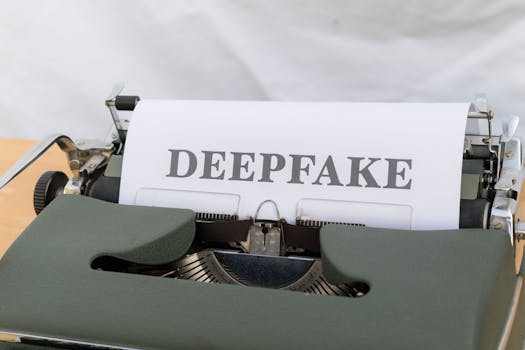
1. Quality Control AI-generated content can sometimes lack nuance, cultural context, or originality. Human oversight is crucial to ensure accuracy, especially for sensitive or authoritative subjects. 2. Plagiarism and Authenticity Some AI tools may inadvertently mimic existing content too closely. In 2023, over 20% of businesses reported concerns about AI-generated plagiarism (Source: Gartner). Always use plagiarism checkers and add a human touch to maintain authenticity. 3. Ethical and Legal Issues AI can introduce ethical dilemmas, such as the potential for spreading misinformation or creating “deepfake” content. Additionally, copyright around AI-generated works is a legal gray area in many jurisdictions. 4. Dependence and Skills Gap Relying too heavily on AI can erode traditional skills like research, critical thinking, and original writing or design. It’s important to use these tools as aids, not replacements.The Future of AI in Content Creation: What’s Next?
Looking ahead, the role of AI in content creation is only set to expand. By 2026, Gartner predicts that 80% of enterprise content will be generated, at least in part, by AI. Here are a few trends shaping the future:
- Hyper-personalization: AI will enable content to be tailored in real time for individual readers, driving engagement and conversion. - Multimodal content: Tools that combine text, video, audio, and interactive elements seamlessly—powered by AI—will become the norm. - Democratization: As AI tools become cheaper and easier to use, high-quality content creation will no longer be limited by budget or technical skill. - Human-AI collaboration: Rather than replacing creators, AI will increasingly act as an “augmented intelligence” partner, freeing up humans for high-level strategy and creative direction.Ultimately, the most successful content will come from those who skillfully blend the best of both worlds: the efficiency and power of AI with the empathy, insight, and originality of human creators.
Empowering Creators: Making the Most of AI Tools of the Trade
AI is not just a passing trend—it’s an integral part of the modern content creator’s toolkit. Whether you’re a solo blogger, a marketing manager, or a global brand strategist, understanding and leveraging AI-driven tools can unlock new levels of productivity, creativity, and reach.
The key is to view AI as a partner, not a replacement. Use these tools to automate routine tasks, spark fresh ideas, and push creative boundaries, but always bring your own expertise and ethical judgment to the table. In doing so, you’ll not only keep up with the rapidly changing landscape but also stand out in a crowded digital world.